PrePARED logoMenu

September 2024

Data Analyses

The team are now working on analysing data collected during summer fieldwork including:

  • Fish and seabird distribution data to be used to a) refine species distribution models necessary to predict both prey and predator distributions and b) assess the quality of current species distributions models by confronting newly acquired data with model predictions
  • RoxAnn data to be used to update models of seabed roughness and hardness and spatial resolution of seabed models
  • Fish length frequency analyses to discriminate juveniles from adults based on size for all target species
  • Post processing of acoustic data to determine broadscale fish distribution
  • Review of fish trap and BRUV (Baited Remote Underwater Video) data to refine species distribution models and understand the effects of offshore windfarms on fish distributions.
  • Processing of fish tag ‘ping’ data showing fish movement in and around offshore windfarms
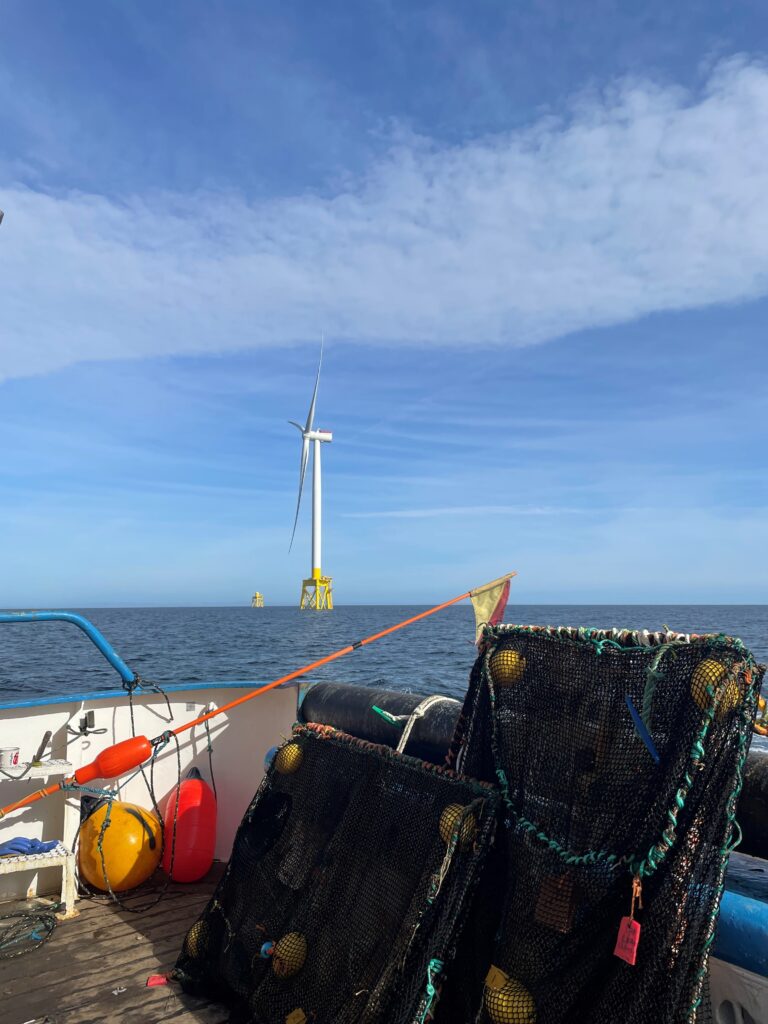
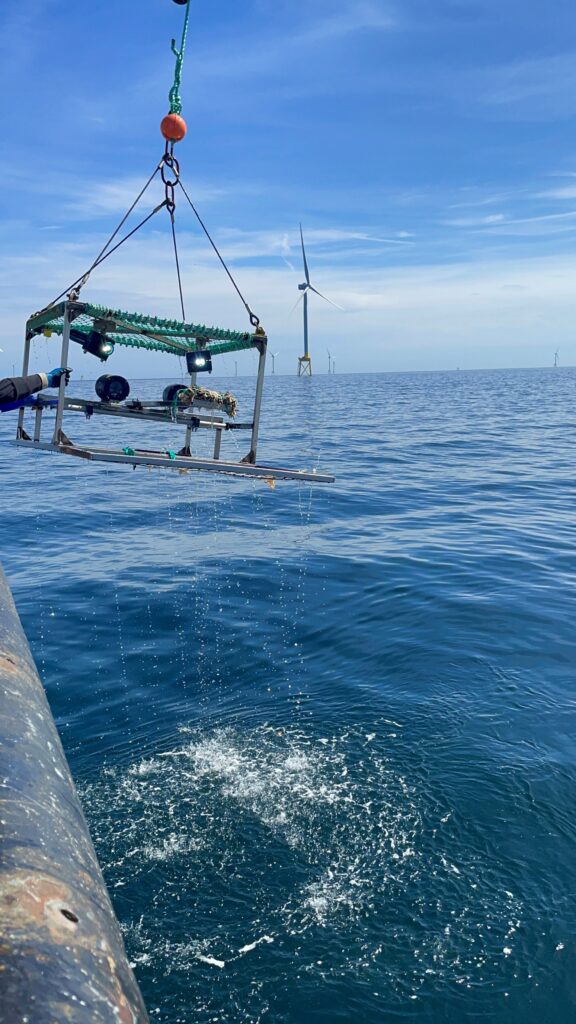
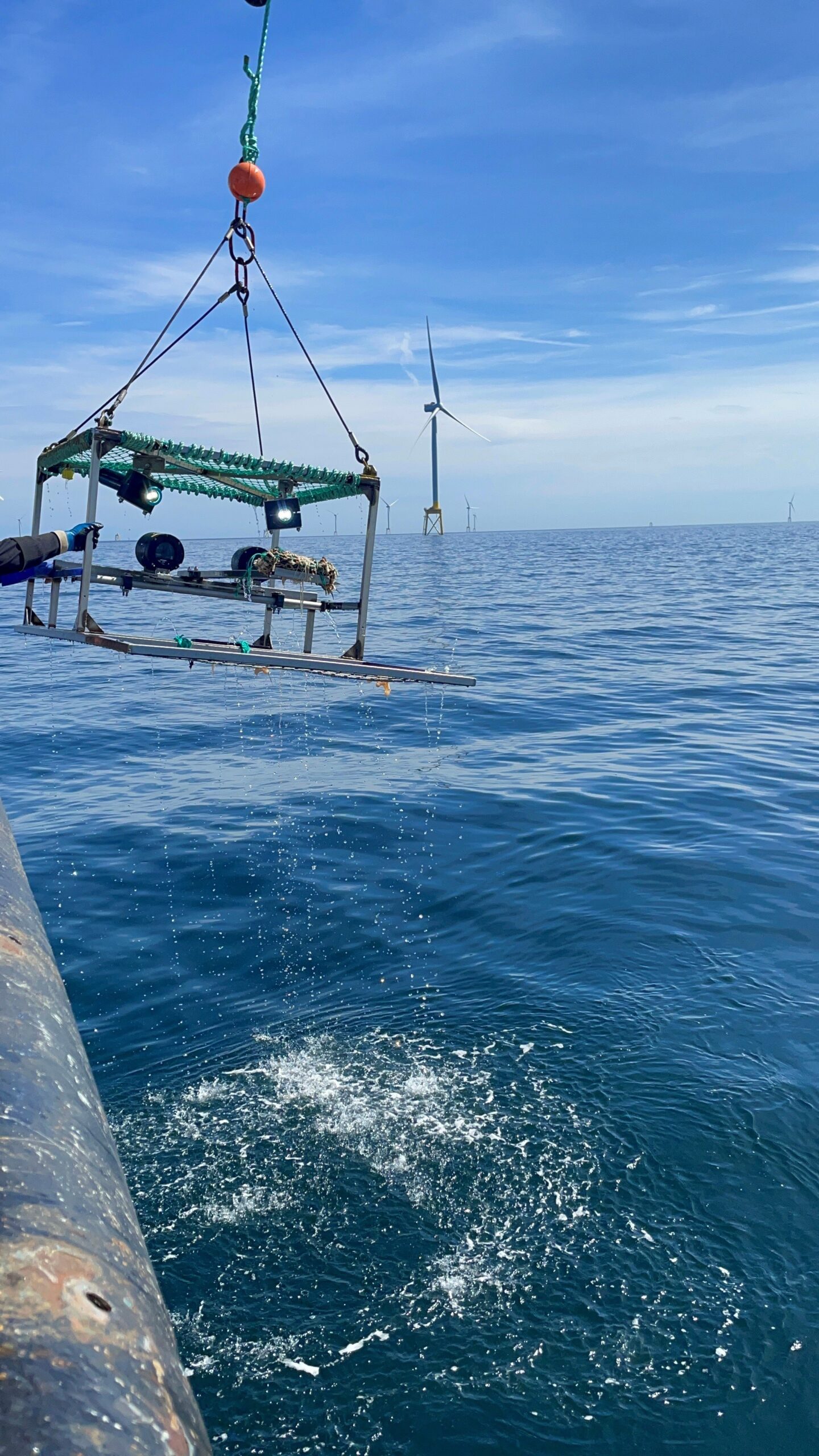
Fish Traps in NnG Offshore Windfarm

Engagement

ICES Annual Science Conference

The ICES ASC conference was held in Gateshead, UK from the 9-12th September.

Several members of the PrePARED team attended and presented at the conference including Tony Bicknell (University of Exeter), Aude Benhemma-Le Gall (University of Aberdeen) and Philippa Wright (University of St Andrews).
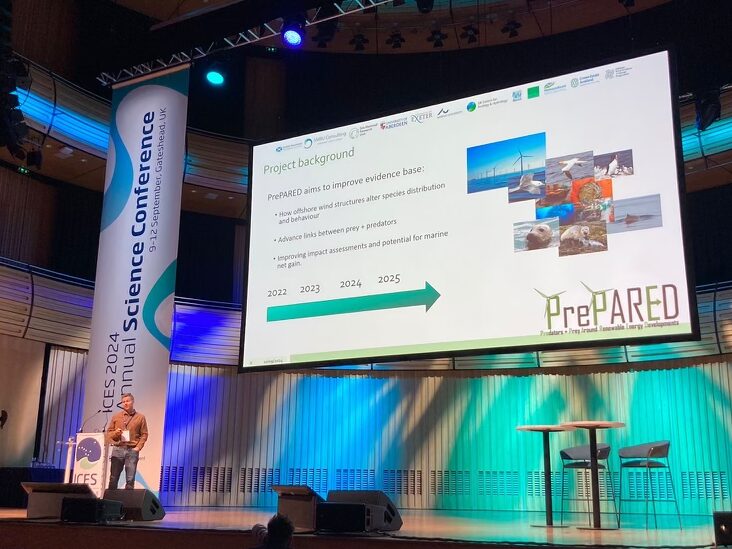
Tony Bicknell presented on ‘Effects of offshore wind farms on distribution and behaviour of fish with potential consequences for predation’

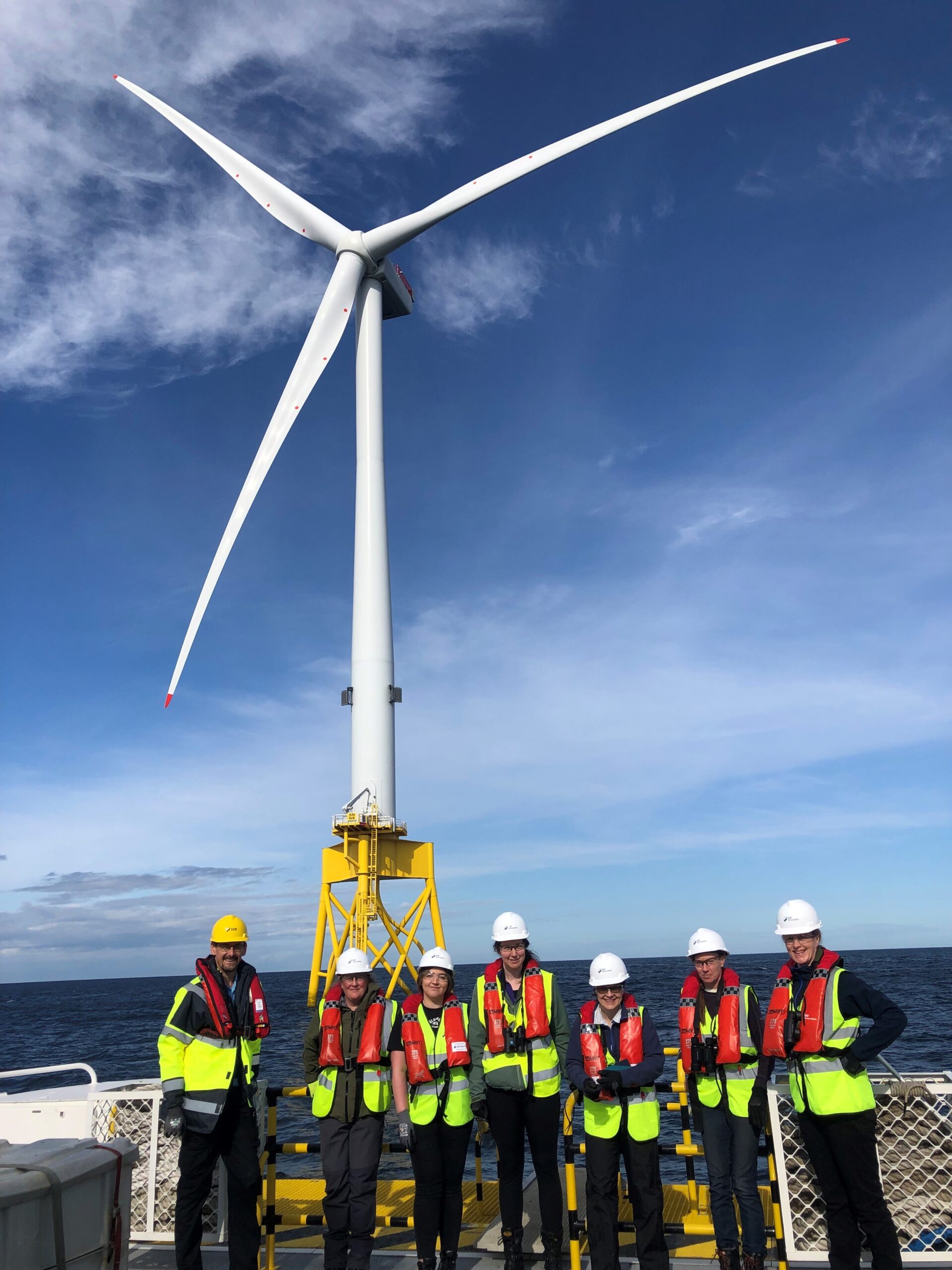
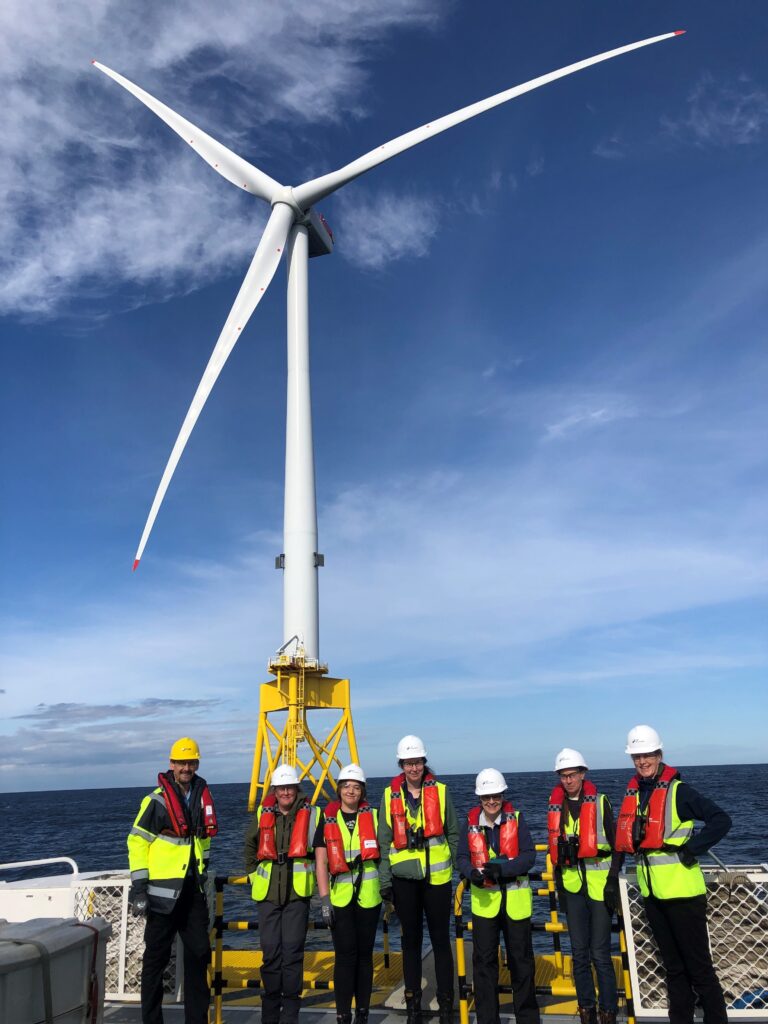
Site Visit – Seagreen Offshore Wind Farm

NYSERDA State of the Science meeting

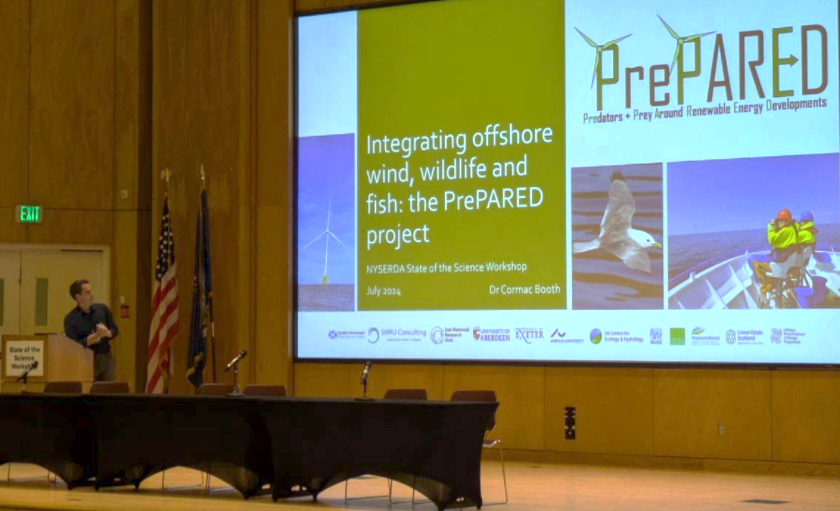
In the August blog we highlighted Cormac Booths presentation at the NYSERA meeting in the USA.

This talk is now available to watch online – see here with presentation starting at 39:04


OWEC Programme Steering Group (PSG)

Paul Thompson, University of Aberdeen, attended the September PSG meeting in London to lead one of their impact workshops focussing on the topic of Effective Deterrence Ranges (EDRs) following the recent PrePARED report 004.


The Seabird Group Conference

Members of the PrePARED project team also attended the Seabird Group Conference in Portugal this month presenting on ‘How do cumulative effects of offshore wind farms scale with increasing exposure to seabird breeding colonies?’.


2nd ENRA Science, Evidence and Policy Conference

Colleagues from BioSS presented on ‘Building an evidence base for offshore renewables’ in Edinburgh on 23 September.
August 2024

New Report

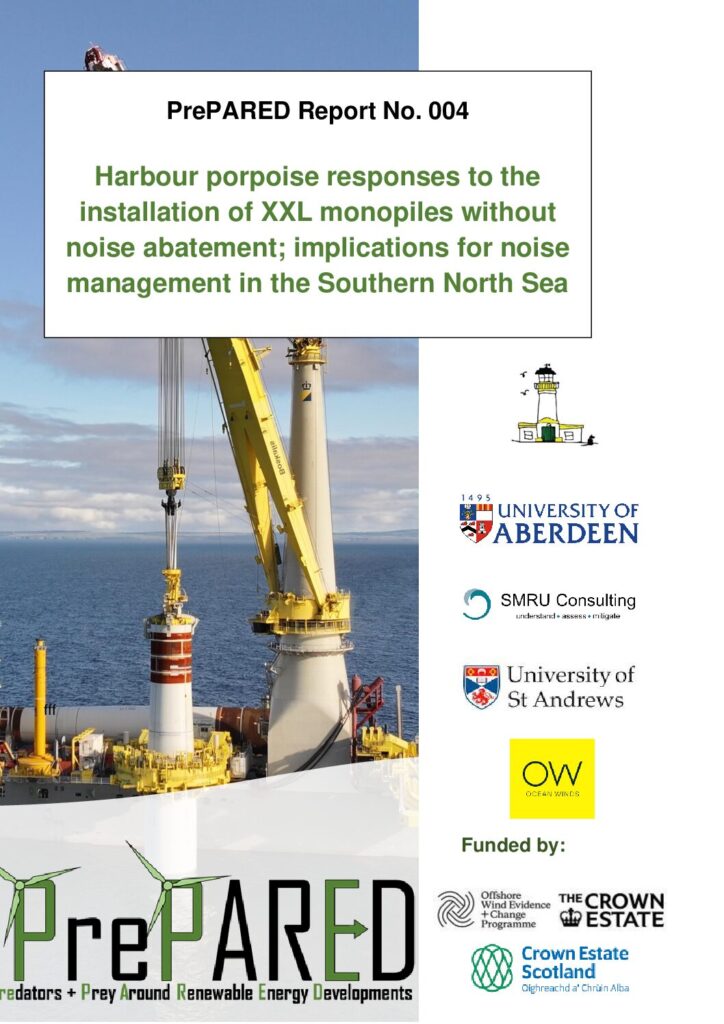
The University of Aberdeen have released a new report on harbour porpoise responses to the installation of XXL monopiles without noise abatement.

This report follows discussions from the PrePARED Annual Knowledge Exchange Meeting (AKEM) on how PrePARED data can be used by different regions.

Alongside the report, we have created a 2-page report summary for easy digestion and reference which can be found here.

For any queries regarding the report, please contact us at PrePARED@gov.scot


Surveys

Moray Firth Camera Survey

Baited remote underwater video (BRUV) surveys were conducted during two weeks of July to follow up the 2022 surveys in assessing the abundance and biomass of demersal fish around the Beatrice wind farm turbine jacket foundations. The survey this year was designed to assess how far the aggregation effect found in 2022 was observed from the turbine jackets, and whether density of turbines influenced the size of the aggregation effect. The weather was kind to the University of Exeter team and the survey was completed in full during the first week, resulting in 24 turbines sampled with a total of 96 BRUV deployments.

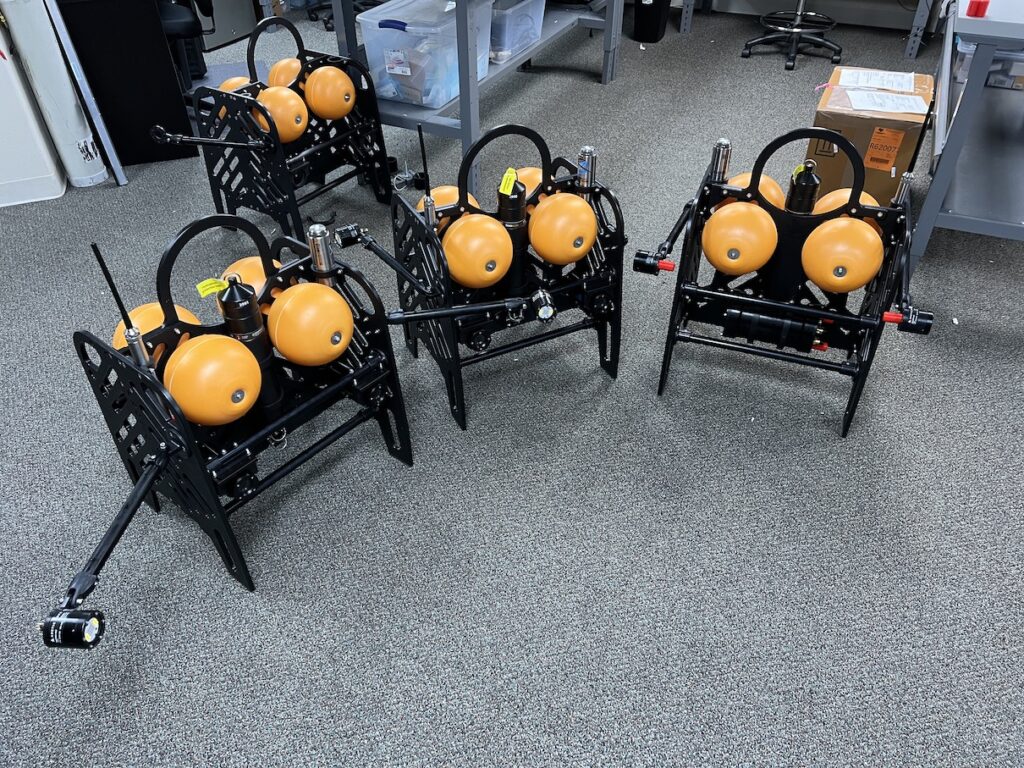
During the second week the team deployed new un-baited camera systems (‘Cuttlefish’) that can continuously record footage for up to 2 days (or more if scheduled), so can observe day and nighttime animal activity. These were deployed in pairs at 6 turbine foundation and reference sites for 24 hours, to assess whether there are diel changes in fish abundance and community structure. These data will also be useful to compare to the baited camera data to assess how the use baited can influence species and/or the abundance observed.  

Picture of camera landers

Firth of Forth Camera Survey

Baited Remote Underwater Video (BRUV) retrieved within offshore wind farm.

In support of Task 1.2, the third year of fine-scale fish distribution data collection took place in the Firth of Forth from 29th July until 16th August. Scientists on the Alba na Mara deployed Baited Remote Underwater Video (BRUV) stations and fish traps to investigate fish distributions within and around Seagreen, Inch Cape and Neart na Gaoithe (NnG) offshore wind farms.

Over the survey period a total of 68 BRUV deployments were successful, generating 102 hours of video footage within and around wind farm sites.

A total of 47 fish trap deployments were successful with fish samples collected for further analyses on fish energetic content (Task 4.4 – Fish Nutritional Value) and 1320 fish and benthic species measured.

A RoxAnn survey of the substrate was conducted throughout the whole survey which will be used to update the current seabed roughness and hardness layers for the region of interest.

A total of 13 CTD casts were realised during the survey, producing important information on temperature, salinity and primary productivity at depth within and near OWF sites.

The team wish to express their deepest gratitude and appreciation to the crew and captain of the Alba na Mara and to the scientific crew from SG Marine Directorate.


Engagement

NYSERDA State of the Science Workshop

The PrePARED team from SMRU Consulting attended the New York State Energy Research and Development Authority (NYSERDA): State of the Science workshop hosted at Stony Brook University, Long Island, New York in late July 2025.

Cormac Booth presented highlights of the PrePARED project to the audience (hybrid), which comprised researchers, offshore wind developers, consultants, management and conservation groups. The talk was entitled: Integrating offshore wind, wildlife and fish: the PrePARED project”.

During the week, Cormac met with our US counterparts who run the Wildlife and Offshore Wind (WOW) project (focused on baseline characterisation and response of marine taxa to construction phase) & attended and contributed to various talks and technology sessions (led by the Marine Technology Society). There were many great talks in concurrent sessions spanning the work being done around the US on offshore wind – such as primary productivity, forage fish, fisheries, seabirds and marine mammals.